
A freshly dog-eared review
Classics Are Overrated—Or Are They? A Love-Hate Look at Charles Dickens Books
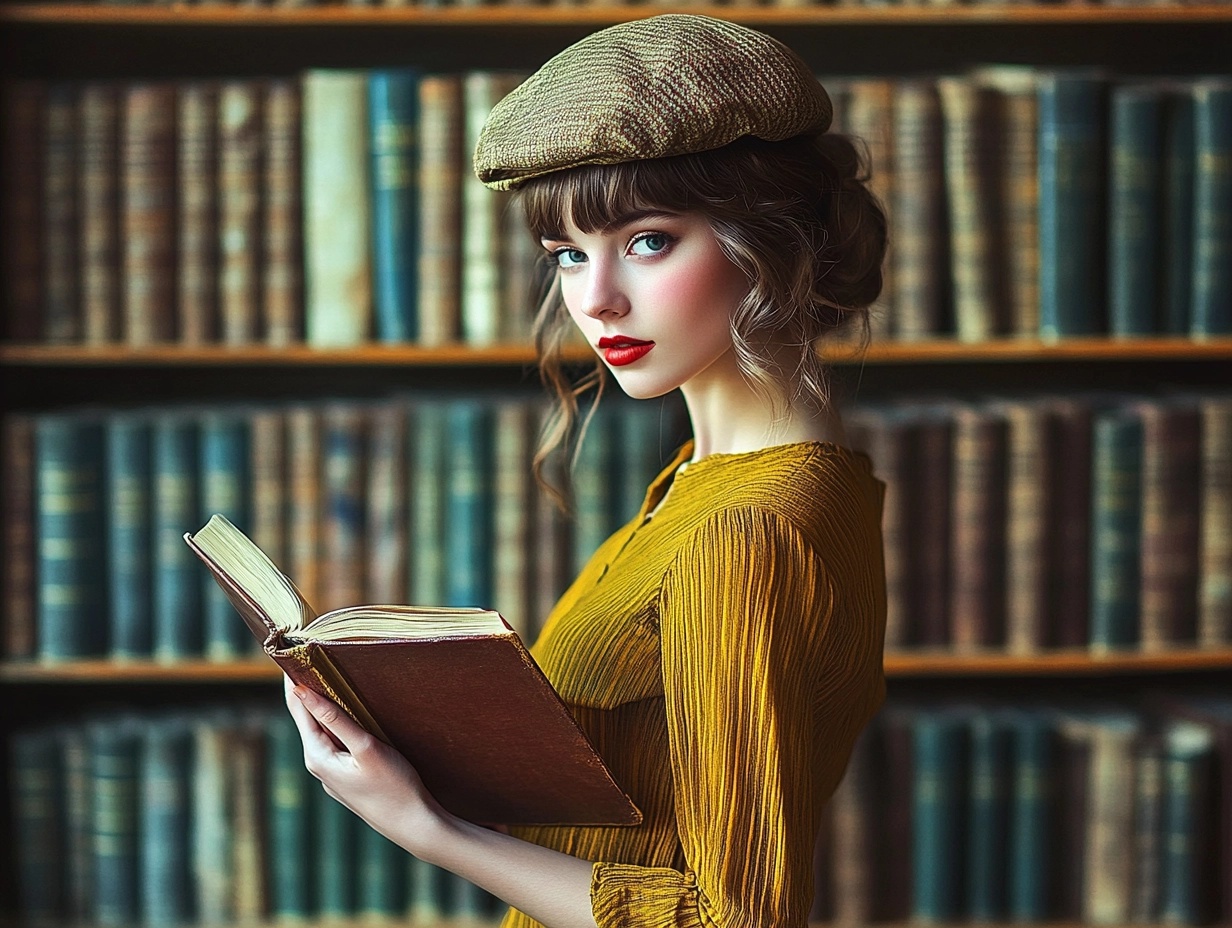
Charles Dickens: literary icon or Victorian buzzkill? His books are filled with orphans, misery, and sentences that go on longer than most marriages. But love him or hate him, there’s no denying his influence. Let’s dissect Dickens—was he a genius, a sadist, or just someone who really liked getting paid by the word?
Quick Review:
Dickens is the ultimate literary Rorschach test. Some see him as a genius storyteller who captured the soul of Victorian England. Others see him as the guy who wrote 900-page novels about orphans crying in the rain. Either way, you’ve probably read him—or at least skimmed Great Expectations in high school and then Googled the ending.
The Dickens Formula: Why It Works (and Why It Doesn’t)
Dickens didn’t just write books; he created events. His serialized novels were the Victorian equivalent of Netflix shows, with readers clamoring for the next chapter. But his works are also notoriously dense, emotionally manipulative, and filled with more coincidences than a soap opera.
Here’s the breakdown:
- The Plots: Overwrought but addictive. Think Oliver Twist: abandoned orphan, evil workhouse, long-lost family fortune. Ridiculous? Sure. But also unputdownable.
- The Characters: Dickens invented some of the most iconic figures in literature—Scrooge, Miss Havisham, Oliver Twist—but many of his characters are caricatures. Subtlety wasn’t exactly his forte.
- The Themes: Poverty, social injustice, redemption. Dickens wanted to expose the ugliness of Victorian society while still giving readers hope. Sometimes he nailed it (A Christmas Carol); sometimes he drowned us in melodrama (Bleak House).
Top Must-Reads (And Why You Should Read Them)
- Great Expectations
Pip’s coming-of-age story has it all: unrequited love, mysterious benefactors, and a haunted bride who literally can’t let go of the past. It’s Dickens at his most iconic—and least infuriating. - A Christmas Carol
If you’ve somehow avoided this story, congratulations on living under a rock. Scrooge’s redemption arc is timeless, even if the countless adaptations (hello, Muppets!) have dulled its impact. - Oliver Twist
The original sad orphan story. Come for the social critique, stay for the criminal underworld of Fagin, the Artful Dodger, and Bill Sikes. Just don’t expect a happy-go-lucky ending. - David Copperfield
Dickens’s most autobiographical novel, packed with memorable characters like the villainous Uriah Heep and the charming Mr. Micawber. It’s long, but worth it if you like Dickens with a touch of introspection. - Bleak House
A sprawling epic about a never-ending lawsuit, social corruption, and—because it’s Dickens—a few orphans. Dense but masterful, it’s considered one of his greatest works.
Why Dickens Still Matters
For all his flaws, Dickens captured something universal. His stories are about human resilience, the struggle for justice, and the small acts of kindness that can change lives. His critiques of poverty, greed, and inequality are just as relevant today as they were in the 19th century.
And let’s not forget his sense of humor. Beneath all the gloom and doom, Dickens had a wicked wit that often gets overlooked. He wasn’t afraid to poke fun at his own characters, his society, or even himself.
The Criticism: Why Some People Can’t Stand Him
- The Length:
Let’s address the obvious—Dickens’s novels are long. He was paid by the word, and boy, does it show. Do we really need a three-page description of a foggy London street? Probably not. - The Coincidences:
Dickens loved tying everything up in neat, implausible bows. Long-lost siblings, hidden fortunes, miraculous rescues—it’s like every Dickens novel ends with a Victorian game of Six Degrees of Separation. - The Sentimentality:
For some readers, Dickens leans too hard on emotional manipulation. He doesn’t just want you to feel sad for his characters; he wants you to weep uncontrollably into your tea.

Best (and Worst) Ways to Read Dickens
- The Best:
Start with his shorter works (A Christmas Carol, Great Expectations) to get a feel for his style. Listen to audiobooks if the Victorian prose feels daunting. Or watch a BBC adaptation—honestly, they’re often better than slogging through the originals. - The Worst:
Don’t dive into Bleak House or Little Dorrit unless you’re prepared for a marathon. These novels are brilliant but exhausting.
Similar Authors to Explore
- Victor Hugo: If you love Dickens’s social justice themes, Les Misérables is your next stop.
- George Eliot: For a more nuanced take on Victorian society, try Middlemarch.
- Elizabeth Gaskell: North and South has all the drama and social critique of Dickens, but with a bit more subtlety.
Final Thoughts
Charles Dickens isn’t for everyone, and that’s okay. His novels are dense, sentimental, and occasionally ridiculous—but they’re also rich, imaginative, and deeply human. Whether you love him or hate him, you can’t deny his impact on literature.
So, if you’ve been avoiding Dickens out of fear (or boredom), give him another shot. You might find yourself unexpectedly charmed—or at least impressed by his ability to stretch a single idea into 900 pages.