
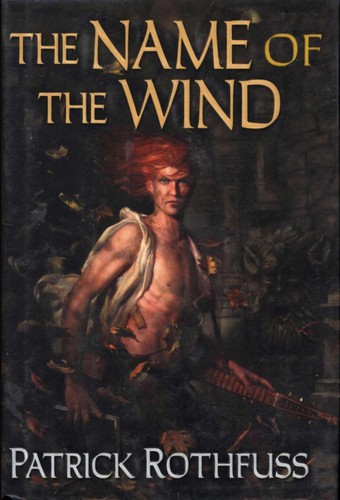
The Name of the Wind Review: Beautiful Prose and a Hero Who Believes His Own Legend
Kvothe is brilliant at music, magic, storytelling, and making sure you notice all three. I found him captivating until I found him exhausting, then somehow circled back to captivated. The Name of the Wind lives inside that tension. Rothfuss can make unpaid tuition feel urgent and a half-heard song feel like a doorway. He can also spend hundreds of pages polishing a legend whose ending remains out of reach.
| Author | Patrick Rothfuss |
| Published | 2007 |
| Genre | Epic / literary fantasy |
| Format | Book 1 of the (still unfinished) Kingkiller Chronicle |
| Best for | Readers who care more about sentences than plot velocity |
| Our rating | 4.5/5 |
Where it landed, and why it mattered
When The Name of the Wind arrived in 2007, epic fantasy was in a strange middle place. George R.R. Martin had proven the genre could be grim and morally slippery, and readers were bracing for the next doorstopper about warring dynasties. Rothfuss zigged. He wrote a quiet, interior, almost autobiographical fantasy (a man telling the story of his own life over three days in a country inn) and he wrote it in prose that actually wanted to be read aloud. In a category often forgiven for clunky sentences because the world-building carried the load, that was genuinely novel.
The book became a phenomenon largely on word of mouth. It’s the rare fantasy debut that got handed around by people who “don’t usually read fantasy,” and that crossover appeal is central to its cultural role. It made the argument, convincingly, that a magic-and-swords story could hold its own on a literary shelf.
What the story actually is
The premise is a frame within a frame. Kvothe (pronounced, we’re told, close to “quothe”) is living in hiding as a humble innkeeper when a chronicler tracks him down. Over three days he narrates his life: a gifted child in a troupe of traveling performers, an orphan surviving on the streets of a brutal city, and finally a precocious, arrogant student clawing his way into a university where magic is taught as something closer to engineering than incantation. There are demons called the Chandrian, a lost love, an enormous unpaid tuition bill, and a legend that has plainly gone very wrong somewhere between the boy and the broken man telling the tale.
The real engine here isn’t the magic system. It’s the ache of a man watching his own myth curdle as he narrates it, knowing the ending we don’t yet.
The honest part: what’s great, what’s divisive
The prose is the headline, and it earns it. Rothfuss has a musician’s ear (he’ll tell you so, repeatedly), and the sentences have a rhythm that most of the genre simply doesn’t attempt. The University section (Kvothe learning “sympathy,” dueling with tuition and rival students, chasing access to forbidden knowledge) is comfort reading of a very high order. If you loved the specific pleasure of watching a clever kid master a magic school, this predates a lot of the imitators and does it better.
Now the fair criticisms, because they’re real. Kvothe is a genius at everything: music, magic, sword-adjacent trouble, wit, seduction. Whether that reads as thrilling or exhausting is the single biggest fault line among readers, and the “competence fantasy” charge isn’t unearned. The women in the book, Denna especially, tend to function more as objects of Kvothe’s longing than as people with their own weather systems. And the pacing is deliberate to a fault. This is a novel where a great deal of the “action” is a boy trying to make rent. If you need momentum, you’ll feel the drag.
Then there’s the elephant. The Name of the Wind is book one of a trilogy that, as of this writing, remains two-thirds published. The Wise Man’s Fear came out in 2011; The Doors of Stone has not. That is not a knock on this book’s quality, but it’s information you deserve before you invest, because part of what makes the frame story so tantalizing is the promise of a payoff nobody can currently guarantee you’ll receive. Go in loving the journey, not banking on the destination.
The reading experience
Sit down expecting a page-turner and you may bounce off it. Sit down expecting to be told a story by a gorgeous, unreliable narrator (one who keeps hinting that everything went catastrophically wrong) and it’s spellbinding. It rewards a slower, more attentive read, and it rewards the audiobook enormously; this is a text built for the ear. Check the latest price on Amazon if you want to weigh the hardcover against the audio edition.
Who should read it, and what to read next
Read it if you prize language, atmosphere, and character interiority over breakneck plotting, or if you have a soft spot for the magic-school coming-of-age done for grown-ups. Skip it, or lower your expectations, if you resent an overpowered protagonist or you can’t emotionally sign up for an unfinished series. If Kvothe wins you over, The Wise Man’s Fear is the obvious next step. If the University hooked you but the pace didn’t, try Naomi Novik’s A Deadly Education. For a different flavor of gorgeous, more complete fantasy, Susanna Clarke’s Jonathan Strange & Mr Norrell scratches a similar literary itch.
Keep the fantasy binge going
If Rothfuss has you hungry for more of the genre’s best, we ranked the heavyweights and the overlooked gems in our full 60 best fantasy novels list: a good map for figuring out where to wander next.