
A freshly dog-eared review
100 Public Domain Novels Worth Your Time (and the Duds I Read So You Don’t Have To)
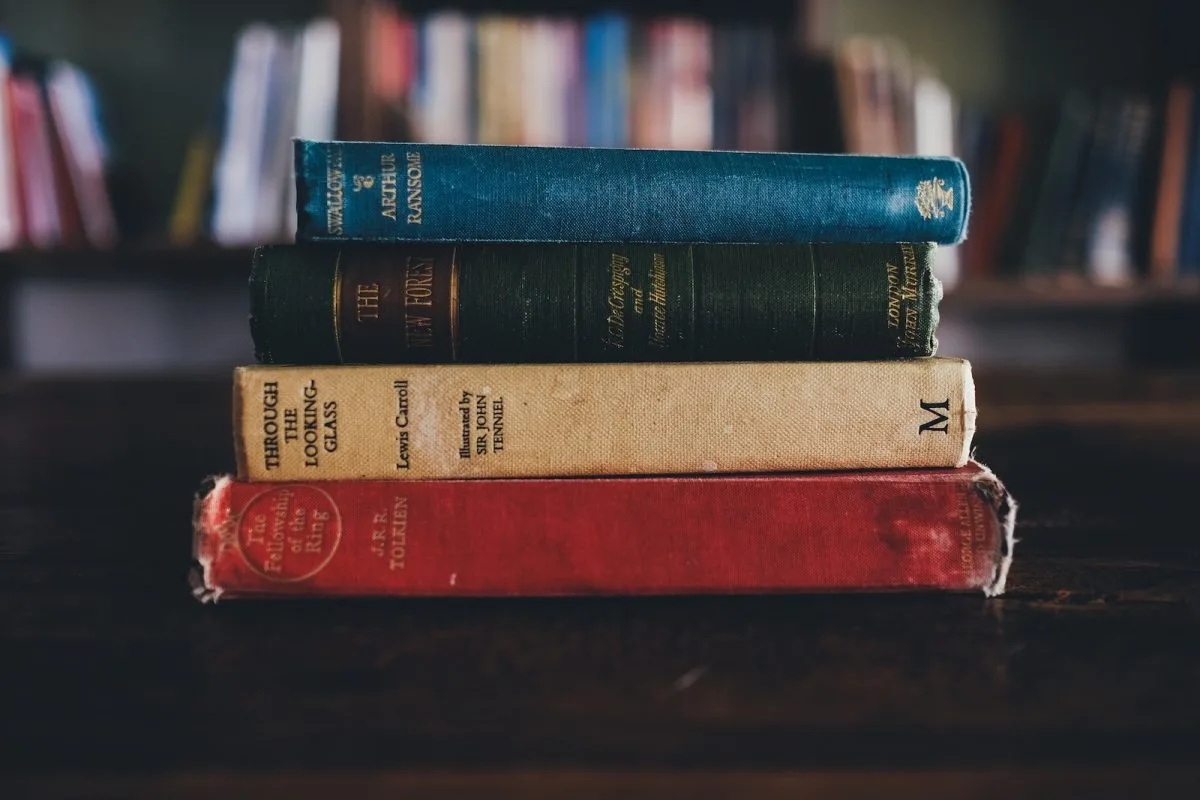
I have a confession about “free classics.” The price is the easy part. What nobody warns you is that public domain books cost something else: your evening, your patience, and occasionally the will to keep going when a Victorian novel decides the middle third should be a lecture about property law.
So this list is not a catalog. It’s a hundred novels and plays I’ve either read or bounced off, with a note on what you’re actually signing up for. A few of these are the best reading experiences of my life. A few are assigned-reading endurance tests that survived into the public domain mainly because nobody stops them.
One thing before we start: every book here is free because its copyright has expired, which means you can grab most of them on Project Gutenberg, Standard Ebooks, or LibriVox without paying a cent. If audio is more your speed, the free audiobook route is its own rabbit hole.
What counts as a public domain novel?
A work enters the public domain when its copyright term runs out, usually decades after the author’s death, or when the copyright was never renewed. In the US, anything published before 1928 is now firmly public domain, and more enters every January 1st. That’s why you can legally download Dracula, Frankenstein, and Middlemarch for free while a 2015 bestseller still costs you $14.99.
The catch, and I mean this, is that public domain does not mean good. It means old enough to be free. Some of these books are masterpieces. Some are the literary equivalent of a relative’s slide show. I’ll tell you which is which.
The 100 public domain novels and plays worth your time (and my honest notes)
- “Pride and Prejudice” by Jane Austen: The one everyone names first, and deservedly. Elizabeth Bennet’s wit still cuts, and Darcy’s awkwardness reads less like romance and more like a man learning, slowly and badly, how to be a person. Start here if you’ve never read Austen.
- “Moby-Dick” by Herman Melville: Ahab’s obsession with the white whale is famous, but the real experience is the digressions. Chapters on whale anatomy, on the color white, on rope. It’s a strange, stubborn book that rewards stubborn readers. Not a beach read, despite the setting.
- “Wuthering Heights” by Emily Brontë: Not a love story, whatever the movie posters told you. It’s a haunted-house novel about obsession, revenge, and two people who ruin each other and everyone nearby. Bleak, brilliant, and honest in a way that still stings.
- “Jane Eyre” by Charlotte Brontë: I’ve argued elsewhere that this isn’t really a romance, and I stand by it. It’s a novel about a woman insisting on her own worth in a world that keeps telling her not to. Rochester is a red flag. Jane is the point.
- “Dracula” by Bram Stoker: Told through letters and diaries, which sounds dry and isn’t. The slow dread builds beautifully, and the vampire hunters are more interesting than the vampire. Read it in October. You’ll see why.
- “The Adventures of Sherlock Holmes” by Arthur Conan Doyle: The short stories are the way in, not the novels. “A Scandal in Bohemia,” “The Speckled Band,” “The Red-Headed League.” Holmes is insufferable and you’ll love him anyway.
- “The Picture of Dorian Gray” by Oscar Wilde: A beautiful, vain man makes a terrible bargain and spends the rest of the book getting away with it. Wilde’s wit is on full display, and the horror sneaks up on you. The unedited version is worth seeking out.
- “The War of the Worlds” by H.G. Wells: The Martians are terrifying, but the real horror is how quickly human society collapses into panic. Wells understood that the invasion is never the point; the response is.
- “Frankenstein” by Mary Shelley: The monster is articulate, the scientist is the real monster, and the whole thing is a philosophical argument wearing a horror costume. Written by a teenager. Let that sink in.
- “The Count of Monte Cristo” by Alexandre Dumas: The greatest revenge novel ever written, and I will fight about it. Long, yes, but every page of Dantès’s patient plotting is a pleasure. The unabridged version, not the abridged.
- “Little Women” by Louisa May Alcott: The March sisters are the original ensemble cast, and the book earns its sentiment. Jo’s ambition and refusal to fit the mold still feel startlingly modern.
- “Oliver Twist” by Charles Dickens: Dickens at his most furious about poverty and child exploitation, with a plot that moves. The “Please, sir, I want some more” scene is not the whole book, but it’s a good place to start.
- “The Hunchback of Notre-Dame” by Victor Hugo: Quasimodo, Esmeralda, and Frollo, yes, but also long digressions about Paris architecture. Read it for the tragedy, skim the cathedral chapters if you must.
- “Les Misérables” by Victor Hugo: Valjean, Javert, the barricades, the sewers. It’s enormous and it earns its length. The chapter on the Paris sewer system is optional. Everything else isn’t.
- “A Tale of Two Cities” by Charles Dickens: “It was the best of times, it was the worst of times.” The French Revolution as backdrop for a sacrifice story. The ending still gets me.
- “The Three Musketeers” by Alexandre Dumas: Swashbuckling, scheming, and D’Artagnan being insufferable in a fun way. Pure adventure, and I mean that as praise.
- “Great Expectations” by Charles Dickens: Pip’s rise from blacksmith’s boy to gentleman is the setup; the lesson about what actually matters is the payoff. Miss Havisham alone is worth the read.
- “The Adventures of Huckleberry Finn” by Mark Twain: The river journey, the moral awakening, the friendship between Huck and Jim. Twain’s satire is sharp and the ending is famously messy. Read it anyway.
- “The Adventures of Tom Sawyer” by Mark Twain: Lighter than Huck Finn, but the fence-whitewashing scene is one of the great comic set pieces in American literature.
- “Gulliver’s Travels” by Jonathan Swift: Four voyages, each a different flavor of satire. The Lilliput section is the famous one, but the Houyhnhnms are where Swift gets truly misanthropic. Read it as the angry book it is.
- “The Iliad” by Homer: The wrath of Achilles, the death of Hector, the fall of Troy. In translation, the voice matters more than the line count. Start with a modern translation.
- “The Odyssey” by Homer: The original adventure novel. Monsters, gods, a man trying to get home, and a wife who is smarter than everyone. The ending is better than you remember.
- “Don Quixote” by Miguel de Cervantes: The first modern novel, and the funniest. A man who read too many chivalry books decides to become a knight, and the world around him plays along or doesn’t. Endlessly generous and deeply sad.
- “Robinson Crusoe” by Daniel Defoe: The original survival story, and a fascinating portrait of a man whose main project is imposing order on his own life. The “Friday” chapter hasn’t aged well, but the solitude is compelling.
- “The Divine Comedy” by Dante Alighieri: Hell is the famous part and the best part. Inferno is where the drama is. Purgatorio and Paradiso are theological architecture, beautiful but slow going. Don’t start at the end.
- “Candide” by Voltaire: Short, vicious, hilarious. Candide’s optimism is tested against war, natural disaster, and every form of human folly. The punchline about cultivating one’s garden still lands.
- “The Decameron” by Giovanni Boccaccio: Ten people flee the plague and tell each other stories. Some are bawdy, some are tragic, all are vivid. The plague frame is shockingly contemporary.
- “The Canterbury Tales” by Geoffrey Chaucer: A pilgrimage as a cross-section of medieval life. The Knight, the Miller, the Wife of Bath. The Middle English is hard work, but modern translations keep the humor.
- “The Prince” by Niccolò Machiavelli: Short, blunt, and still misread. It’s not a how-to for villains, or not only. It’s a manual for surviving politics, and it’s uncomfortably relevant.
- “The Republic” by Plato: The cave, the philosopher-king, the ideal city. A dialogue that keeps asking uncomfortable questions. Socratic method as contact sport.
- “The Apology” by Plato: Socrates on trial, defending his life’s work in front of an Athens that wants him gone. Short, and one of the great portraits of a person standing firm.
- “Metamorphoses” by Ovid: A collection of transformation myths, from creation to Julius Caesar. The original source for more Western mythology than you realize. Read it in pieces.
- “Beowulf”: An old English epic, and a hero who fights monsters. A dragon at the end, and a kingdom that doesn’t know what to do next. In a good translation, it’s lean and strange and thrilling.
- “Paradise Lost” by John Milton: Satan gets the best speeches, which is the whole problem. Epic poetry about the fall of man, and a portrait of ambition that refuses to be dismissed.
- “Faust” by Johann Wolfgang von Goethe: A scholar trades his soul for knowledge and pleasure. It’s philosophy, tragedy, and the most famous bargain in literature. Part One is the way in.
- “Romeo and Juliet” by William Shakespeare: You know the story, which means you can actually read the language. The balcony scene, the balcony scene, and the ending that nobody escapes. Start here if you’re new to Shakespeare.
- “Hamlet” by William Shakespeare: A prince who thinks too much, a ghost, a play within a play, and the most famous soliloquy in English. The only question is whether you’re ready for how funny and how bleak it is.
- “Macbeth” by William Shakespeare: The shortest tragedy, and the fastest. Guilt, ambition, and the parade of kings. Read it in one sitting if you can.
- “Othello” by William Shakespeare: A great general, a manipulative villain, and a tragedy built on trust and jealousy. The language is gorgeous and the ending is devastating.
- “King Lear” by William Shakespeare: An old king divides his kingdom and loses everything. The storm scene is one of the great passages in English.
- “A Midsummer Night’s Dream” by William Shakespeare: The comedy everyone should read first. Fairies, lovers, and a donkey. It’s pure fun, and it moves.
- “The Tempest” by William Shakespeare: An exiled sorcerer, an island, and a storm. Shakespeare’s late romance. Caliban and Ariel are the characters you’ll remember.
- “The Merchant of Venice” by William Shakespeare: A pound of flesh, a trial, and the antisemitism at the heart of it. Read it with care. Shylock’s speech about humanity is still one of the most powerful passages in Shakespeare.
- “The Taming of the Shrew” by William Shakespeare: Katherina and Petruchio’s battle of wills. The final speech is famously a problem. Read it as a comedy and then argue about it.
- “Twelfth Night” by William Shakespeare: Cross-dressing, mistaken identity, and some of the best comic lines in the canon. Viola is one of Shakespeare’s greats.
- “As You Like It” by William Shakespeare: Rosalind, the Forest of Arden, and the “All the world’s a stage” speech. A comedy with real depth.
- “The Winter’s Tale” by William Shakespeare: Jealousy, loss, and a statue that isn’t a statue. The first three acts are tragedy; the last two are something stranger and more moving.
- “Henry IV, Part 1” by William Shakespeare: Prince Hal, Falstaff, and the battle that turns a boy into a king. Falstaff is the funniest character in Shakespeare.
- “Henry IV, Part 2” by William Shakespeare: The comedown after Part 1. Falstaff’s decline, Hal’s ascent, and the burden of kingship. The rejection scene still stings.
- “Henry V” by William Shakespeare: The St. Crispin’s Day speech, the battle of Agincourt, and a king who has to become a symbol. A surprisingly clear-eyed look at war.
- “Richard III” by William Shakespeare: A villain who addresses the audience directly and enjoys it. One of the great performances in literature.
- “The Importance of Being Earnest” by Oscar Wilde: The funniest play in English, and I don’t say that lightly. Two men, one name, and an entire society of people who take themselves too seriously. Read it aloud.
- “An Ideal Husband” by Oscar Wilde: A politician with a past, a blackmail plot, and Wilde’s wit on every page. Less famous than Earnest, and just as sharp.
- “Lady Windermere’s Fan” by Oscar Wilde: A young wife, a suspicious husband, and a woman with a past. The double standards of Victorian society, dismantled with style.
- “Salomé” by Oscar Wilde: A one-act tragedy, and a strange, beautiful, disturbing one. The dance, the request, the ending. Not for everyone, but unforgettable.
- “The Critique of Pure Reason” by Immanuel Kant: This is the hardest book on the list, and I want to be honest about that. It’s philosophy, not a novel, and it will take time. Read it with a guide or a class if you can.
- “The Critique of Practical Reason” by Immanuel Kant: Kant’s ethics, and the categorical imperative. Dense, but the core idea is simple enough to carry with you.
- “The Critique of Judgment” by Immanuel Kant: Kant on beauty and the sublime. If you’ve made it through the first two, this is the payoff.
- “The World as Will and Representation” by Arthur Schopenhauer: The world as will, and will as the thing you can’t escape. Schopenhauer is bleak and clear-eyed, and his prose is better than Kant’s.
- “Thus Spoke Zarathustra” by Friedrich Nietzsche: Philosophy as poetry, or prophecy. The Übermensch, the death of God, and a voice that demands attention. Start with the prologue.
- “Beyond Good and Evil” by Friedrich Nietzsche: Nietzsche on philosophers, morality, and the will to power. Sharper and more readable than Zarathustra.
- “The Genealogy of Morals” by Friedrich Nietzsche: Where our moral concepts came from, and what they’re doing to us now. Short, and one of the most influential books on this list.
- “Demian” by Hermann Hesse: A young man, two worlds, and a mentor who is more than he seems. Hesse’s novel of self-discovery, and one of the most readable on this list.
- “Siddhartha” by Hermann Hesse: A spiritual journey in ancient India, and a short, beautiful book about finding your own path. Read it in an afternoon and think about it for weeks.
- “Steppenwolf” by Hermann Hesse: An alienated intellectual, a divided self, and a strange, dreamlike ending. Hesse’s strangest and most modern novel.
- “The Call of the Wild” by Jack London: A dog, the Yukon, and the pull of something older than civilization. Short, brutal, and unforgettable.
- “White Fang” by Jack London: The mirror of Call of the Wild, told from the wolf’s side. Survival, taming, and the violence at the heart of nature and humanity.
- “The Sea-Wolf” by Jack London: A shipwrecked intellectual, a brutal captain, and a clash of worldviews. Tense and philosophical.
- “A Journey to the Center of the Earth” by Jules Verne: A professor, a volcano, and a world beneath the world. Classic adventure, and still fun.
- “Twenty Thousand Leagues Under the Sea” by Jules Verne: Captain Nemo, the Nautilus, and the deep sea. A book that invented a kind of wonder.
- “Around the World in Eighty Days” by Jules Verne: A bet, a race, and a tour of the world. Pure plot, and a perfect one.
- “The Mysterious Island” by Jules Verne: Five men, an island, and the ingenuity of survival. A long book, but a rewarding one.
- “The Time Machine” by H.G. Wells: A scientist, a machine, and the future. Short, dark, and one of the founding texts of science fiction.
- “The First Men in the Moon” by H.G. Wells: Two men, the moon, and a society underground. A strange and satirical adventure.
- “The Island of Doctor Moreau” by H.G. Wells: A shipwreck, an island, and experiments that should not have been done. One of the most disturbing books on this list.
- “The Invisible Man” by H.G. Wells: Power, invisibility, and a descent into madness. A short, chilling read.
- “Heart of Darkness” by Joseph Conrad: A voyage up the Congo, and a journey into what imperialism does to people. Short, dense, and still debated.
- “Lord Jim” by Joseph Conrad: A young sailor, one act of cowardice, and a lifetime of trying to live it down. Conrad’s great novel of guilt and honor.
- “Nostromo” by Joseph Conrad: Power, greed, and a fictional South American country. Conrad’s most ambitious novel, and one of his best.
- “The Secret Agent” by Joseph Conrad: Espionage, anarchism, and a London that feels modern. Darkly funny in places, and bleak throughout.
- “Victory” by Joseph Conrad: A man who wants to be left alone, a woman who arrives, and the trouble that follows. A strange, atmospheric novel.
- “The Rainbow” by D.H. Lawrence: Three generations of a family, and the changing world of rural England. Lawrence’s prose is lush and the themes are big.
- “Women in Love” by D.H. Lawrence: Two sisters, two men, and the struggle for love and freedom. Lawrence at his most intense.
- “Sons and Lovers” by D.H. Lawrence: A young man, his mother, and the women he loves. Lawrence’s most autobiographical novel, and one of his most readable.
- “The Call of Cthulhu” by H.P. Lovecraft: A story, a cult, and an ancient horror. The founding text of cosmic horror, and still effective.
- “The Dunwich Horror” by H.P. Lovecraft: A small town, a monstrous birth, and scholars who know too much. One of Lovecraft’s best.
- “The Shadow Over Innsmouth” by H.P. Lovecraft: A decaying coastal town, a family secret, and a chase. Lovecraft’s most sustained piece of dread.
- “At the Mountains of Madness” by H.P. Lovecraft: An Antarctic expedition, an ancient civilization, and a descent into horror. A long one, but worth it.
- “The Dream-Quest of Unknown Kadath” by H.P. Lovecraft: A dream, a city, and a journey. Lovecraft’s fantasy side, and a strange, beautiful book.
- “Alice’s Adventures in Wonderland” by Lewis Carroll: Nonsense, logic, and a girl who keeps her head. Funny, strange, and shorter than you remember.
- “Through the Looking-Glass” by Lewis Carroll: The sequel, and the chess game. The poems, the mirror, and the Jabberwocky.
- “The Hunting of the Snark” by Lewis Carroll: A poem, a quest, and an ending that is not an ending. Read it aloud.
- “The Tale of Peter Rabbit” by Beatrix Potter: Short, and perfect. A rabbit, a garden, and a lesson about obedience that is also a warning about adventure.
- “The Wind in the Willows” by Kenneth Grahame: Mole, Rat, Toad, and Badger. A book about friendship and home, and one of the great comfort reads.
- “Treasure Island” by Robert Louis Stevenson: A boy, a map, and pirates. The original adventure novel, and still one of the best.
- “The Strange Case of Dr. Jekyll and Mr. Hyde” by Robert Louis Stevenson: A doctor, an experiment, and a monster. Short, and the ending is still shocking.
- “Kidnapped” by Robert Louis Stevenson: A young man, a kidnapping, and the Scottish Highlands. A great adventure, and a portrait of a country.
- “The Last of the Mohicans” by James Fenimore Cooper: A frontier adventure, and a book with real problems. Read it as a historical document and a story.
- “Moll Flanders” by Daniel Defoe: A woman, a world of limited options, and a life of survival. Frank, and surprisingly modern.
- “Crime and Punishment” by Fyodor Dostoevsky: A young man, a murder, and a psychological battle that never lets up. One of the greatest novels ever written. Start here if you’re ready for Dostoevsky.
Pure fun until someone takes the donkey seriously, which is exactly what the one-star review over at 1starbookreviews does.
How to read free classics without hating the experience
Three practical things. First, use a good digital edition: Standard Ebooks cleans up public domain texts and formats them properly, which is a much better reading experience than a scanned PDF. Second, don’t start with the longest or the most famous if it intimidates you; start with a short one you actually want to read. Third, if a book isn’t working by page 50, put it down. The entire point of free books is that there’s no sunk cost.
If you want a curated route rather than a hundred options, the MFA reading list is a good next step, and if you’d rather listen, the free audiobook guide covers where to find these without paying.
A strange fact worth knowing: in 2022, the US entered a new public domain era, with a new batch of works becoming free every January 1st. The public domain isn’t a museum; it’s a growing library.
The one I’d start with tonight
If you’ve read this far and still haven’t picked one, go with “The Importance of Being Earnest.” It’s short, it’s funny, and it will make you want to read more. That’s the whole goal. The rest of the list will still be here tomorrow, free as ever, waiting for the evening you decide to spend.

More to read
- Best Public Domain Books: 31 Free Classics You Can Read Now
- Free Sex Stories and Erotica – Unleashing Your Desires one page at a time…
- Best Gothic Romance Books: 17 Truly Haunted Reads
- Romantasy Books That Are Actually Good: 18 Worth Reading